Nervous System Informed Residential Care Training
The Safe Haven Coaching System™ teaches youth care professionals how to regulate under pressure, stabilize emotional environments, and coach youth through escalation — instead of emotionally colliding with them.

"Youth behavior is often emotional communication before it is defiance."
— Bruce L. Burruss, Founder & CEO
Built for Professionals in Emotionally Intense Environments

Revolutionizing the Way Professionals Are Trained to Work with Youth
Safe Haven Systems Institute LLC was founded by Bruce L. Burruss after years of direct work inside youth care environments, crisis systems, behavioral programs, and residential settings. One reality became impossible to ignore: most professionals were never taught how to understand emotional pressure, nervous system activation, or the emotional movement underneath behavior.
SHSI develops proprietary training systems — including the Safe Haven Coaching Playbook™ and the Safe Haven Coaching Participation Workbook — that move professionals beyond reactive intervention and toward therapeutic performance coaching.
Nervous System Informed
Training rooted in how the nervous system drives behavior, escalation, and emotional regulation in high-pressure environments.
Residential Care Focused
Built specifically for group homes, transitional living, juvenile justice, and behavioral health professionals.
Coaching Over Compliance
Teaching staff to coach youth through activation instead of emotionally colliding with them.
TCI Certified Training
Backed by Cornell University's Therapeutic Crisis Intervention certification and industry-leading credentials.
The SHSI Therapeutic Architecture
Three proprietary frameworks developed by SHSI that together form a complete system — from culture to relationship to intervention.
How environments should function and how emotional safety is created
The HAVEN Framework is the culture architecture of SHSI — the identity foundation that must exist before crisis intervention. It defines how therapeutic environments function and how staff should think and respond every day.
Healing Environment
Accountability Systems
Voice & Validation
Emotional Regulation
Navigation Skills
HAVEN = Culture Model — preventative and environmental | RESTORE = Intervention Model — operational and relational
The environment (HAVEN) shapes the response (RESTORE)
Programs & Resources
Proprietary training systems designed for the emotional reality of youth care — built from direct observation of real environments under real pressure.
Safe Haven Coaching Playbook™
A live performance coaching system built around 20+ plays that teach professionals to recognize escalation patterns, regulate under pressure, and stabilize emotionally charged environments.
Coaching Participation Workbook — Interactive Edition
The hands-on companion to the Playbook. Participants analyze plays, map breakdowns, write regulated rebuilds, and track competency growth.
Performance Development System
A structured, progressive training arc covering internal regulation, escalation management, relational safety, environmental stabilization, team dynamics, and organizational culture.
Therapeutic Crisis Intervention Training
TCI Trainer Associate Certification through Cornell University's Residential Child Care Project — held by SHSI founder and lead trainer.
Supervisor & Organizational Coaching
Specialized training for supervisors, directors, and leadership teams on reflective coaching, feedback, burnout prevention, and building emotionally regulated culture.
Nervous System Informed Care Training
A proprietary SHSI training framework for residential care environments, grounded in how the nervous system drives behavior in group home and crisis settings.
SHSI Training Levels
A structured five-level certification pathway — from foundational direct care training to advanced instructor authorization.
Intended For
Direct care staff, youth care workers, residential staff, mentors, behavioral support staff, educators, and support professionals.
Focus Areas
- Emotional safety
- Nervous system regulation
- Co-regulation
- De-escalation
- Relationship repair
- Trauma-responsive communication
- Environmental stabilization
- Accountability without shame
Includes PowerPoint Presentation: The Nervous System in Direct Care: Understanding Activation, Regulation & Safety
What Organizations Can Expect
SHSI training produces measurable, lasting change — not just awareness. Here's what shifts when staff are trained the right way.
Reduction in Crisis Incidents
Organizations see a measurable reduction in behavioral escalations and physical interventions as staff learn to recognize nervous system activation early and respond before situations peak.
Improved Staff Retention
When staff feel equipped to handle emotional pressure without burning out, they stay. SHSI training reduces turnover by giving professionals the tools, language, and support they need to sustain their work.
Stronger Staff Emotional Regulation
Staff develop the capacity to manage their own nervous system responses in high-pressure moments — reducing reactive behavior, emotional collisions with youth, and post-incident regret.
Deeper Staff-Youth Relationships
Training in co-regulation and relational repair transforms how staff show up. Youth begin to experience genuine safety — and trust becomes the foundation of daily interaction.
Safer Organizational Environments
Environmental stabilization training equips leadership to identify and reduce activation triggers within the physical and relational culture of their programs — making settings calmer and more predictable for everyone.
Trackable Staff Competency Growth
Through a structured five-level certification pathway, organizations gain a clear framework for evaluating and advancing staff development — from foundational awareness to advanced facilitation and instruction.
What Trained Professionals Are Saying
Real feedback from professionals who have completed SHSI training programs.
"I have known Bruce for almost six years, and during that time he has taught me a great deal, especially about managing my temper and working effectively with youth in care. He has shown me the importance of meeting young people at their level, using de-escalation techniques, and always following agency policies and procedures. One of the things I respect most about Bruce is that he never asks others to do something he has not done himself. He leads by example and is always willing to share his knowledge and experience. He is approachable, easy to talk to, and will stop what he is doing to answer questions or address concerns. Bruce is not only a great leader but also a genuinely good person. It has been an honor and a privilege to work alongside him."
Garrett Neal
Supervisor · Group Home
General Training"My name is Maurice and I've previously had the pleasure in participating in the level 1 leadership skills training through Iimpact and it was great experience for me!! Not only did I learn about redirecting youth and focusing on therapeutic language, but it also taught me how to implement these training skills in my everyday life dealing with the public. Overall, it was a very rewarding experience "
Maurice Lanier
Youth and care worker · Iimpact
Level 1Share Your Experience
Have you been trained by Bruce or completed an SHSI program? We'd love to hear from you.
Training Pathway Assessment
Answer four short questions and our AI advisor will recommend the certification level that fits your role and goals.
Ready to find your level?
This quick 4-question assessment takes about 60 seconds. Based on your role, experience, and goals, our AI advisor will match you to the right SHSI certification level.
Core Beliefs & Operating Principles
These are not slogans. They are foundational truths drawn directly from the SHSI training curriculum — designed to help professionals think clearly under real pressure.
"Behavior Is Communication"
Behavior often reflects nervous system activation — not defiance. Stress, fear, and overwhelm drive reactions before the mind can process what is happening.
"Regulation Before Redirection"
Help the nervous system calm before anything else. Connect and establish emotional safety. Only then guide toward better choices — with dignity.
"Environments Shape Behavior"
Calm, predictable environments help regulate nervous systems. Chaotic ones dysregulate. Every environment communicates safety or threat before a single word is spoken.
"Staff Presence Is the Intervention"
Calm staff presence is the most powerful regulator in any space. Tone of voice, body posture, and emotional pacing signal safety or danger to the nervous system.
"Trauma Changes Behavior, Not Character"
Survival responses are adaptive, not defiant. What looks like 'bad behavior' is often the nervous system's best attempt to stay safe under threat.
"Relationships Are the Vehicle for Healing"
Connection is the most powerful tool for change. Emotional safety is the prerequisite for learning, growth, and change — and it is built through consistent, dignified relationships.
"Safe Haven begins when people feel emotionally safe enough to stabilize, connect, and grow."
— Bruce L. Burruss, Founder & CEO, Safe Haven Systems Institute™
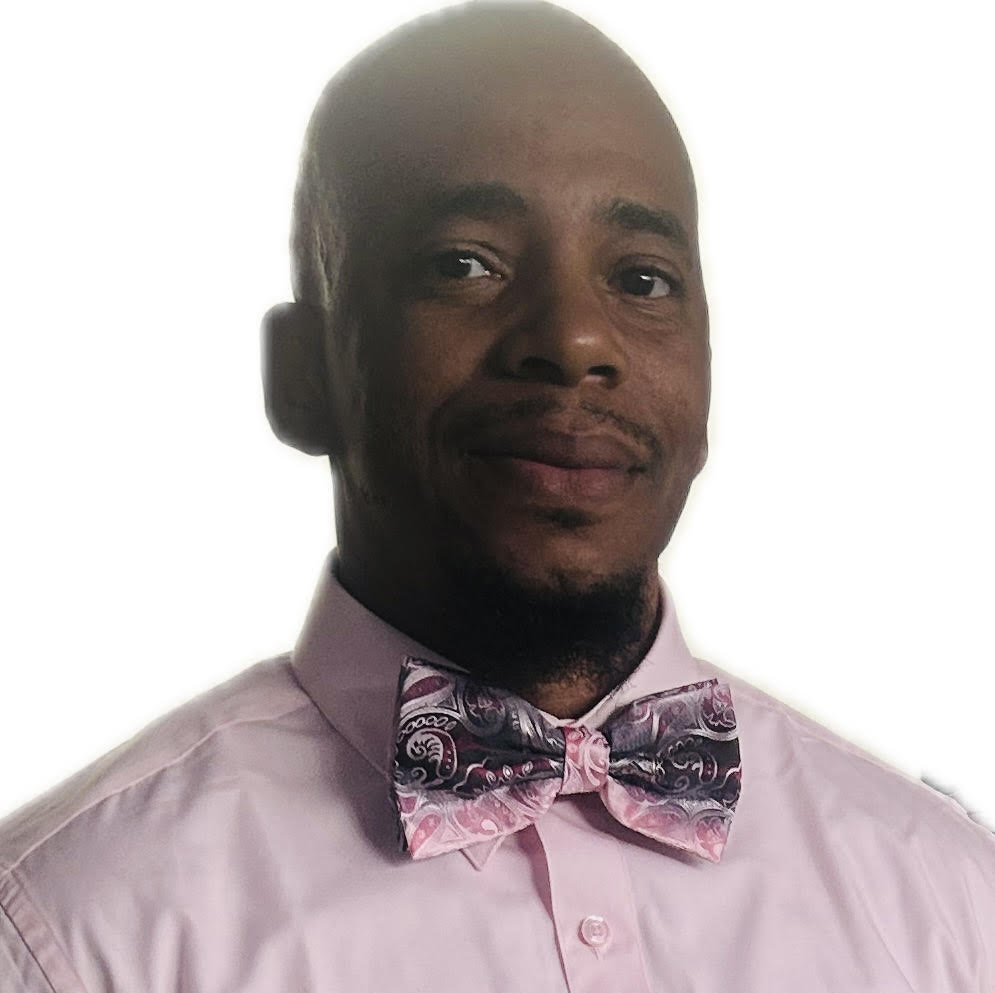
Bruce L. Burruss
Founder & Chief Executive Officer
Safe Haven Systems Institute LLC
Built from the Inside Out
Bruce L. Burruss built the Safe Haven Systems Institute from direct experience — not theory. After years working inside group homes, crisis systems, and transitional living programs serving youth ages 13–21, he observed one pattern repeatedly: professionals entered the field with good intentions but were trained through systems that emphasized control over connection, compliance over regulation, and reaction over awareness.
As Director of Training and House Director at a therapeutic group home for boys in the Englewood neighborhood of Chicago, IL, Bruce led staff teams, developed individualized behavioral support plans, and intervened in crisis situations using trauma-informed de-escalation. He also built the training infrastructure for residential care professionals, which gave rise to the Nervous System Informed Residential Care Training framework — an original approach grounded in how the body drives behavior in high-pressure youth care environments.
Bruce holds a Bachelor's degree in Christian Counseling, is pursuing a Master's in Counseling and a second Bachelor's in Business with an Operations Management certificate, and earned TCI Trainer Associate certification from Cornell University's Residential Child Care Project .
Bring Safe Haven Training to Your Organization
Whether you're a residential program, behavioral health organization, or school — reach out to learn how the Safe Haven Coaching System™ can transform your team.
bruce@shsillc.com
What to Expect
✦ Customized training consultation for your program type
✦ On-site and virtual training availability
✦ Organizational culture assessment options
✦ TCI training coordination and scheduling